
Supporting Growth With Consistent Store Execution
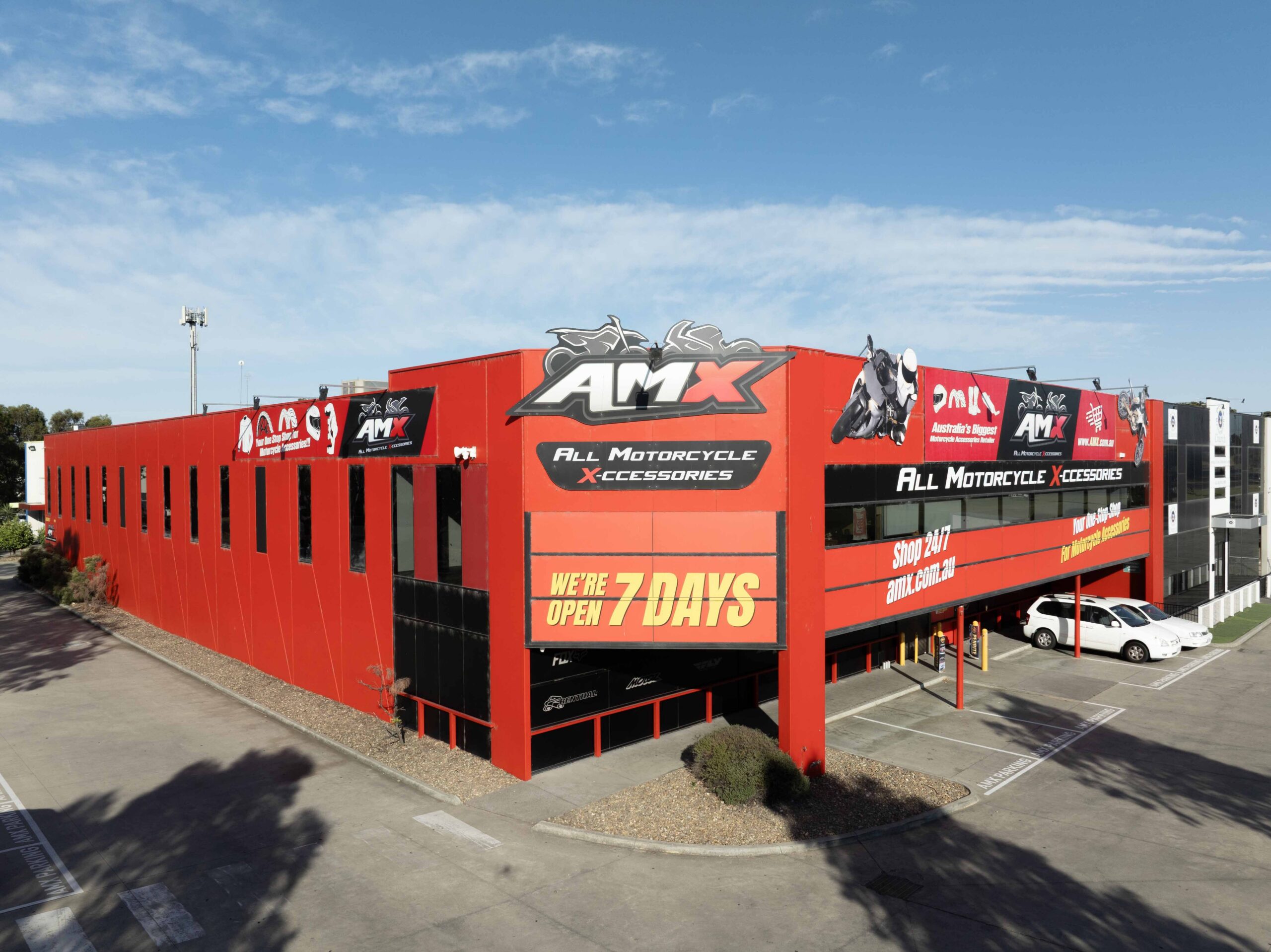
AMX is an Australian specialty retailer for motorcycle accessories with a growing national store network. As the business expanded (including nearly 25 new stores since adopting Last Yard), AMX needed a scalable way to keep pricing and signage consistent, reduce store workload, and speed up execution, especially at the point of stock receipt.
A key requirement was the ability to ticket products immediately after purchase orders were accepted, so new stock could move to the floor without delay.
The Challenge
Fragmented Processes And Slower Goods Receiving
Before Last Yard, AMX relied on multiple systems and manual workflows to manage price changes and signage. This created delays and inconsistency across stores:
- Price updates required Excel uploads and store-level downloads, increasing the risk of errors
- Design tools had limited flexibility, leading stores to create their own materials
- Branding and layout consistency suffered as the network grew
On the operations side, stores receive stock directly from suppliers and process a high volume of purchase orders daily, but ticketing wasn’t embedded in receiving. That meant:
- Labels weren’t always generated the moment stock was received
- Staff had limited visibility of expected vs received quantities
Missing items weren’t flagged early - All tickets are created as thermal sticker labels by default and have no way to distinguish between shelf-edge labels and thermal sticker labels, which led to significant wastage
“Our previous solution didn’t fit our growth anymore. We needed more flexibility and stronger integration.”
— Johan Vandermiege, Category Manager, AMX
The Solution
One Platform for Pricing, Signage, and Execution Rules
AMX implemented Last Yard as a centralised retail execution platform. Head office now centrally manages pricing rules, promotional formats, and templates, while stores can quickly print approved signage without manual formatting or spreadsheet handling.
This delivered:
- Centralised management of pricing and signage
- Standardised templates and brand consistency across stores
- Reduced manual steps for store teams
Purchase Order–Driven Ticketing
Embedded Into Receiving for Speed and Control
What makes AMX’s setup unique is that Last Yard is integrated directly into AMX’s purchase order process, making ticketing part of daily receiving rather than a separate step.
How It Works:
Once a purchase order is accepted in the POS, staff refresh Last Yard to automatically generate print-ready thermal label batches using predefined business rules and reports to cross-reference the received stock.
The Result: Speed, Accuracy, and Labour Savings
Faster floor readiness
Stores can label products immediately after delivery acceptance, reducing the time between stock arrival and merchandising.
Greater Receiving Control and Accuracy
PO-based visibility improves checking of expected vs received items, highlights discrepancies earlier, and reduces the chance of pricing errors reaching customers.
Significant Labour Savings
With automation and centralised templates, stores avoid spreadsheet handling and manual formatting.
On average, AMX stores save:
- 7–8 hours per week per location (about one staff shift)
- Larger stores save even more
Improved Consistency
Standardised templates ensure promotions and pricing communication are clear and consistent across the network.
Looking Ahead
With core workflows centralised (including PO-driven ticketing), AMX is exploring deeper connectivity across in-store execution, such as broader ESL coverage, improved API connectivity, and tighter alignment between in-store screens and real-time pricing.
Conclusion
AMX has moved from fragmented, manual processes to a scalable execution model built for growth. By bringing pricing, signage, and receiving workflows into one platform, AMX has improved speed, consistency, and operational control across its store network.
“Last Yard gives us one platform for all our in-store information. It streamlines everything and makes store operations much more efficient.”
— Johan Vandermiege, Category Manager, AMX