
In today’s retail landscape, tariffs have become a significant factor influencing pricing, yet they aren’t the sole disruptor. Fluctuating supply chains, changing consumer behaviours, and economic uncertainty are pushing retailers to rethink how they set prices—especially when dealing with cross-border tariffs.
Take Canada, for example, where retaliatory tariffs have been imposed on goods from the U.S., from poultry and dairy to fresh produce. For many consumers, these changes mean higher costs at the checkout. But while tariffs might be an unavoidable cost, retailers can implement strategies to mitigate their impact, keeping prices competitive and maintaining consumer trust.
Localized Pricing: The Key to Navigating Tariff Complexity
Retailers who operate in multiple locations understand that a one-size-fits-all pricing strategy simply doesn’t work. The impact of tariffs varies depending on the region, local supply chain conditions, and consumer preferences. Implementing a localised pricing strategy that adjusts for these factors is crucial.
By tailoring prices for specific regions, retailers can reduce the impact of tariffs in a way that feels less like a burden to their customers. For example, a retailer in a border town might face more significant price hikes than one situated further inland. With localised pricing, the former can pass on a higher cost, while the latter may be able to keep prices steady for longer, even in the face of increased tariffs.
Transparency in Pricing: Building Consumer Trust
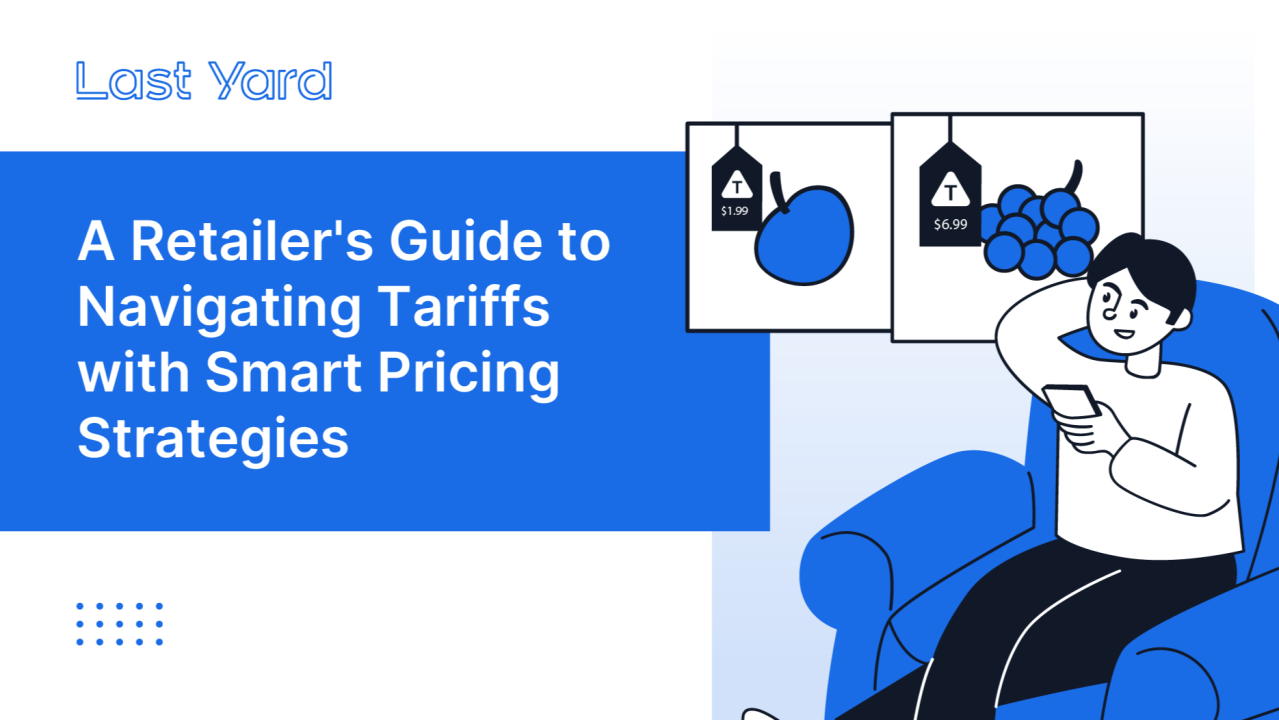
As prices rise due to tariffs, transparency becomes an important part of maintaining customer loyalty. Retailers are increasingly using clear labelling and signage to indicate when tariffs have influenced a product’s price. Loblaw, a leading Canadian retailer, introduced the “T” symbol to mark products impacted by U.S. tariffs, allowing customers to make informed decisions. This simple yet effective move shows how retailers can openly communicate price changes, providing customers with the transparency they crave.
While transparency can help maintain trust, it’s equally important for retailers to communicate their long-term strategy for managing price increases. Will they pass on the full cost of tariffs to the customer, or will they look for alternatives to keep prices down, such as sourcing products from countries not affected by tariffs?
Dynamic Pricing: Adapting to Shifting Markets
As the cost of goods changes, so too should pricing strategies. This is where dynamic pricing comes into play. Dynamic pricing allows retailers to adjust prices based on a variety of factors—such as supply chain disruptions or shifts in demand—helping them stay competitive and profitable even when costs rise unexpectedly.
For example, in the grocery industry, dynamic pricing can be used to minimise food waste by lowering prices on perishable items as they near their expiration date. This not only helps to reduce losses but also supports sustainability efforts by encouraging consumers to buy items that would otherwise go unsold.
For many retailers, however, implementing dynamic pricing can be a challenge, particularly when managing large, multi-location stores. Pricing discrepancies between stores can lead to confusion and erode customer trust. To manage this, retailers need a system that offers real-time, localised price adjustments, keeping prices consistent across both online and in-store channels.
The Role of Technology in Simplifying Pricing Adjustments
In an era where the market is increasingly unpredictable, the ability to respond to changes quickly is more important than ever. Fortunately, technology is making it easier for retailers to adjust prices and promotions in real-time, with minimal manual intervention.
Tools like Last Yard help retailers automate and streamline the process of updating prices across all their channels—ensuring that pricing is accurate and consistent, whether on the shelf, online, or in-store displays. Automation also reduces the risk of human error and compliance issues, which can be costly for retailers.
More importantly, automation empowers retailers to optimise pricing decisions based on data. Retailers can track sales performance, adjust pricing to reflect demand fluctuations, and execute regional promotions in real time. This agility allows retailers to remain competitive while navigating volatile markets and pricing pressures, without compromising customer satisfaction.
The Future of Pricing: Agility and Consumer-Centric Strategies
Tariffs and other economic pressures are here to stay, but that doesn’t mean retailers have to bear the full brunt of these challenges alone. By embracing strategies like localised and dynamic pricing powered by automation, retailers can remain resilient. More importantly, they can do so in a way that prioritises the consumer experience.
As consumers become more savvy and price-sensitive, the role of transparency and flexibility in pricing will only grow. Retailers who can respond quickly, communicate openly, and leverage technology to optimise pricing will be best positioned to thrive in an uncertain and fast-moving market.
By focusing on these consumer-centric strategies, retailers not only mitigate the effects of tariffs but also build stronger, more loyal customer relationships in the process.


About the author
Serene Tan
Serene is a strategic marketer at Last Yard, leading marketing across multiple markets with a focus on go-to-market strategy, brand positioning, and integrated campaigns that build awareness and drive growth. With deep expertise in B2B buying journeys, she combines creative storytelling with operational execution to deliver results across long sales cycles.